Redemption Time

About

“Redemption Time” is a 70-minute multimedia concert film that weaves together the stories and work of two formerly incarcerated artists: the celebrated poet Jimmy Santiago Baca, and renowned jazz violinist Christian Howes.

After ten years of development, the film launched nationwide in 2026. We partner with community organizations, educational institutions, and venues to host screenings and events that create social impact.

Learn more about the cast and team below, and contact us to start a conversation about how we can collaborate.  
Artists

image0

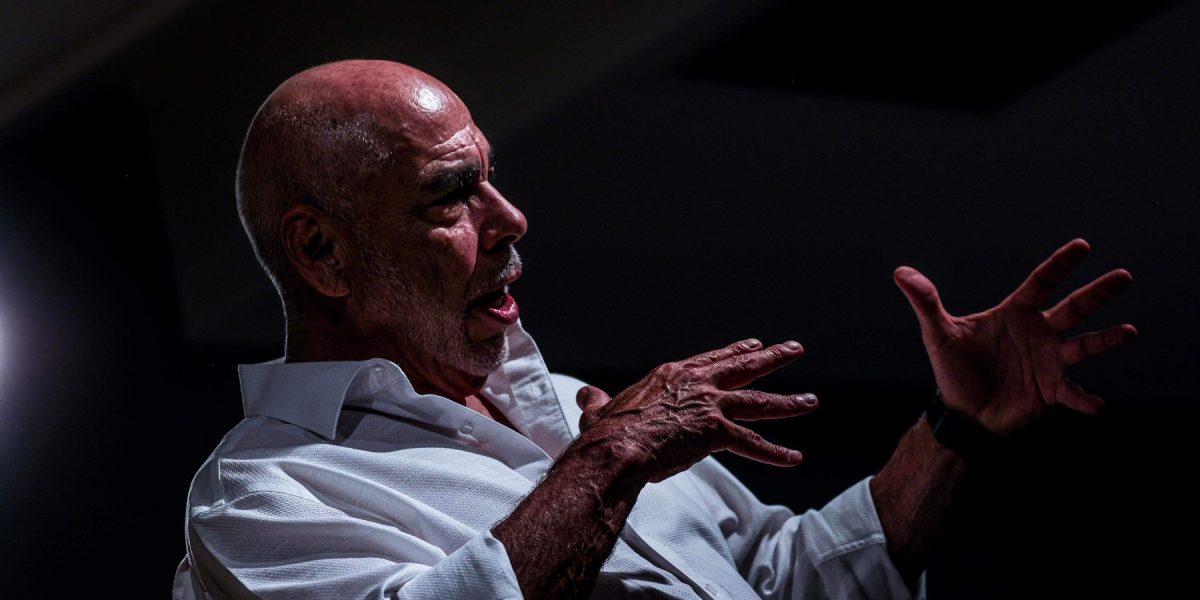
Jimmy Santiago Baca

Jimmy Santiago Baca taught himself to read and write while incarcerated. He now has a PhD in Literature, has published volumes of poetry, and is the recipient of an NEA Literary Fellowship, a Vogelstein Foundation Award, the Pushcart Prize, the American Book Award for Poetry, and the Hispanic Heritage Award.
Screenshot

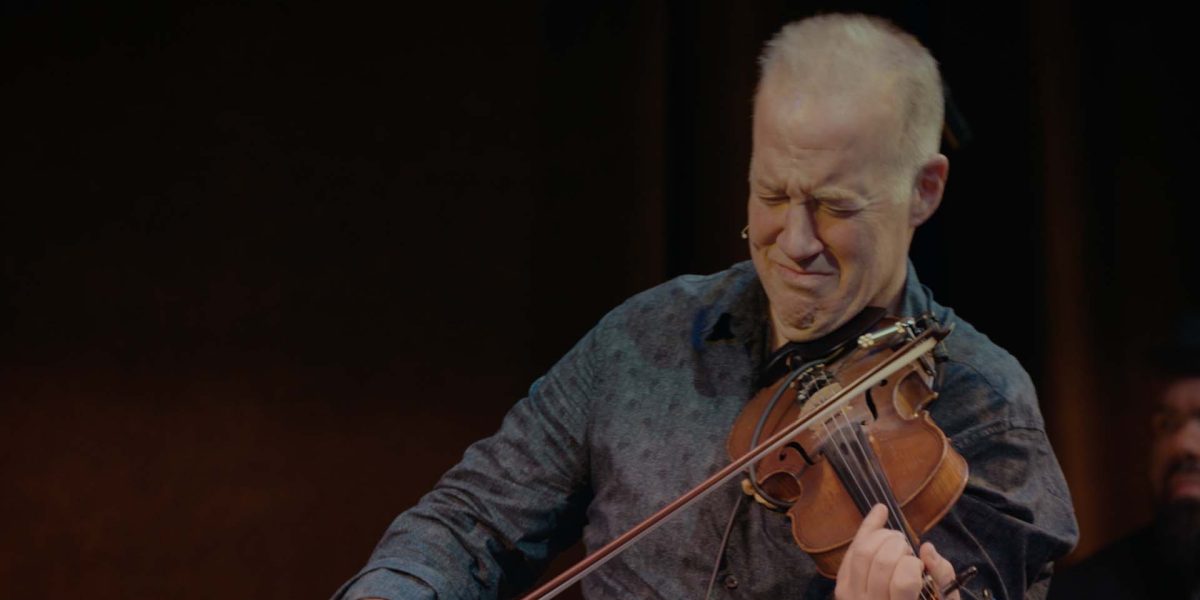
Christian Howes

Violinist Christian Howes was voted #1 in the Downbeat Critics Poll, named among the top jazz violinists by JazzTimes, and nominated for Violinist of the Year by the Jazz Journalists Association. Howes has served as a cultural ambassador, performing in Ukraine and Montenegro at the invitation of the U.S. State Department.
Layer 7 copy

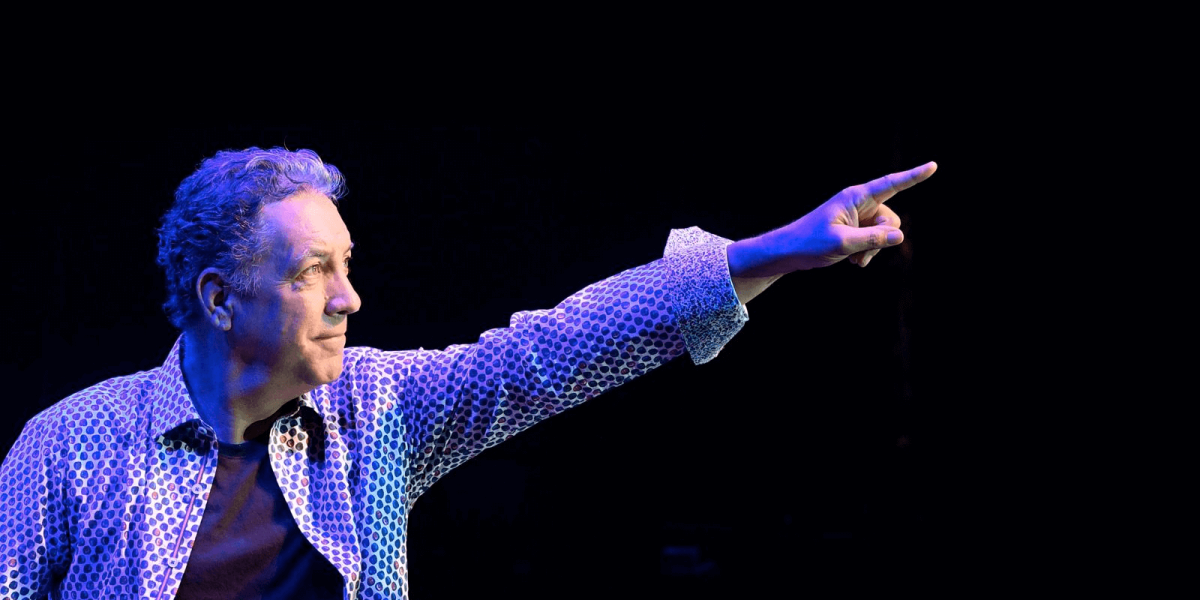
David Gonzalez

Director David Gonzalez received his doctorate from NYU where he taught for ten years. His work has been featured at Lincoln Center, on PBS, and on NPR. He has received the International Performing Arts for Youth’s Lifetime Achievement Award, the Joseph Campbell Foundation Fellowship, and a Drama Desk Award nomination. 

Our Partners

The Band

  • Lovell Bradford, piano (and drums)
  • Shannon Hoover, bass
  • (Grammy-winning) Hamilton Hardin, drums ( and saxophone and piano)
  • Christian Howes, violin (and guitar)

Production Team

  • Executive Producer: Dr. Ann Evans
  • Co-Producers: David Gonzalez and Christian Howes
  • Associate Producers: Jimmy Santiago Baca and Jonathan E. Stewart
  • Poetry by Jimmy Santiago Baca
  • Music composed by Christian Howes
  • Editor: Aidan Weaver
  • Impact Producer: Ryan Kane 
  • Associate Impact Producer: Tristan Turner
  • Videography: Lawson Rudisill, Aidan Weaver, Sam Zellender, Alex Simmons
  • Production Stage Management: Karen Jenson
  • Lighting Design: Jonathan Wiley
  • Research and Writing: Jay Hammond
  • Marketing, web, and design: Hector Pereyra, Igor Krupczynski,  Josue Cabala
  • Trailer: Daniel Wetherbee
  • Legal and Grant Writing: Colleen Dalton 

MORE ABOUT THE FILM

Most of us have started over more than once. A marriage that fell apart. A relationship that went sideways and stayed there for years. A period where the coping skills we had were the wrong ones and we knew it but couldn’t stop. An existential crisis that cracked us open and forced us to rebuild from the ground up, not because we wanted to but because there was no other option.
 
Redemption Time lives in that territory. The universal one. The one where starting over isn’t a single event but something that happens to us again and again across a lifetime, physically, spiritually, emotionally, and the question is never really whether we’ll need redemption but whether we’ll let ourselves receive it.

Watch our Film Trailer

what is redemption time

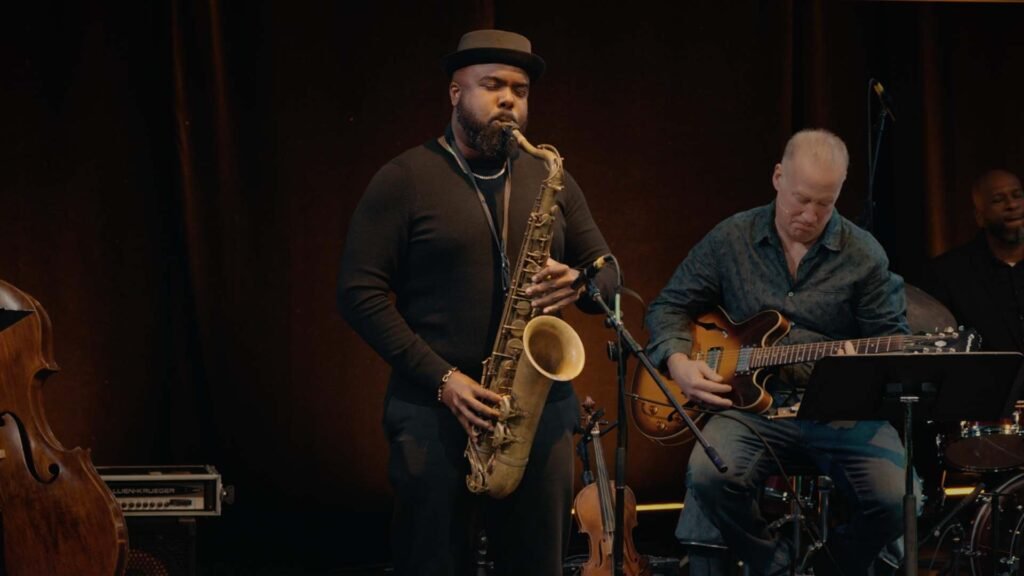
Redemption Time is a 70-minute performance film weaving spoken-word poetry, live jazz, cinematic imagery, and raw personal storytelling into a single, cohesive experience that moves through darkness toward something earned and real. It tells its story through the lens of two formerly incarcerated artists who reclaimed their lives through art. But the reason it lands with audiences who have never seen inside prison is that it speaks to something everyone recognizes: the need to be seen as more than the worst chapter of your life. The desire to belong. The ache of isolation even when you’re surrounded by people. The long, unglamorous work of figuring out who you actually are after the version of yourself you were performing falls apart.

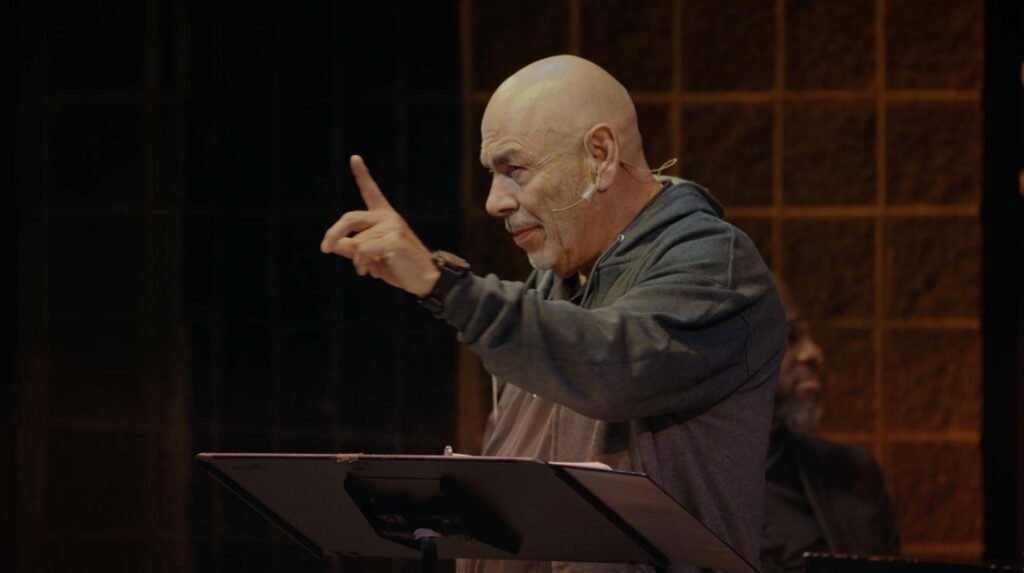
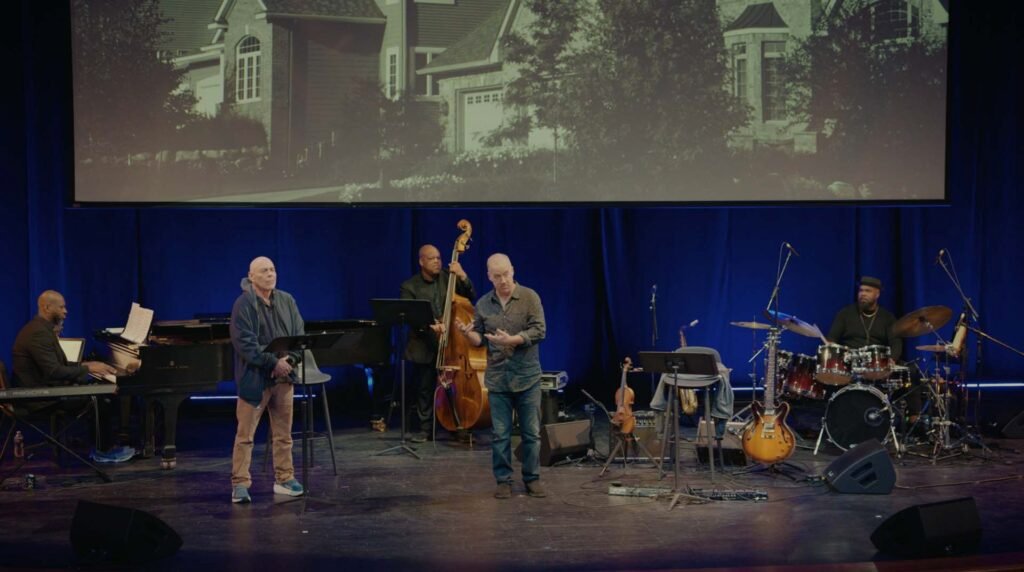
This is not a traditional documentary. There are no talking heads, no narrator explaining what you should feel. Redemption Time is a live performance captured on film, built around the convergence of two men whose lives ran parallel tracks through trauma, loss, and artistic transformation before they ever met. What you witness is Jimmy and Chris on stage together, telling the truth about where they’ve been, what it cost them, and what they found when they stopped running from it.
WHAT THE FILM EXPLORES

The film is structured around ten episodes, each anchored by Jimmy’s poetry and both artists’ lived experiences. Together, these episodes trace a journey through themes that belong to all of us: brokenness, innocence, the fall, survival, complicity, violence, guilt, discovery, and redemption. Each theme opens a window into questions that reach far beyond any single experience or circumstance.


Three currents run through the entire film, and they’re worth understanding before you press play.

The Code

Masculinity, Survival, and Learning to Be Human Without a Map

Chris entered prison at twenty years old. He was still a kid. But he was surrounded by grown men, and the world he’d landed in demanded that he figure out what manhood meant, fast. So he asked the older men. They taught him what they knew, which was the code of a convict: how to carry yourself, how to handle conflict, when to fight, when to look the other way.
 
The code kept him alive. It also put him in impossible positions. If someone disrespects you, you escalate. If you escalate, you risk catching a new charge, extending your sentence, destroying whatever future you have left. If you don’t escalate, you become a target. The math never works out. The film sits inside that tension without pretending there’s a clean answer.
 
But the questions the code raises don’t stop at the prison gate. What does it mean to be a man when every model you’ve been given is shaped by violence, scarcity, and fear? How do you define strength when the only version you’ve been shown involves destroying yourself or someone else? How do you unlearn survival instincts that saved your life in one context but threaten to ruin it in another? These are questions that belong to anyone who has ever had to figure out how to be a person without a map. Anyone who grew up in a home where the models were broken. Anyone who learned coping skills that worked until they didn’t and then had to start from scratch.
 
The film holds space for those questions. It doesn’t hand you a pamphlet. It shows you two men still working it out, decades later, and that honesty is what makes it land.

Redemption

Taking Inventory, Sitting with the Weight, Building Anyway

Both Jimmy and Chris carry weight from their past. The film is unflinching about that. There is no moment where the music swells and the past gets washed away. Redemption, as the film presents it, is slower and harder than that.
 
It starts with taking inventory. Naming what happened. Acknowledging the people who were affected, including yourself. Sitting with the full reality of it without deflecting, minimizing, or hiding behind the circumstances that led you there.
 
Chris talks about the damage he caused and the years it took him to stop telling himself a softer version of the story. Jimmy carries the memory of a man who was beaten while he sat with his back turned, telling himself it was none of his business. These are not abstract moral dilemmas. They are specific, lived memories that shaped both men and continue to shape them.
 
But here is what the film offers that feels necessary and rare: the insistence that you can carry the weight honestly and still move forward. That making amends does not erase what happened but it can transform your relationship to it. That you can take what broke you and build something from the wreckage that serves other people. That redemption is not absolution but the daily practice of choosing to be more than the worst thing you’ve done. That starting over is not a one-time event but a discipline you return to every morning.
 
As one audience member put it, the power of redemption in all facets, physical, spiritual, emotional, and intellectual. Most of us have endured more than one existential crisis. For those with difficult backgrounds, abusive families of origin, terrible coping skills, bad decisions, self-destructive tendencies, disastrous relationships, starting over happens numerous times. The film speaks directly to that reality. It says: you are not alone in this, and the work is worth doing.

THE JOURNEY

How the film moves

The ten episodes carry you through a carefully structured arc. It begins with brokenness, the philosophical foundation that we are all worn fragments, broken off from the greater ornament of the cosmos, all carrying damage, all closer to each other than we want to admit. From there it moves into innocence, both artists remembering who they were before the world intervened. A four-year-old boy watching red tractors in Santa Fe. A thirteen-year-old carrying a boombox across the grounds of a summer music institute, knowing exactly who he was.
 
Then the fall. The sadness, the acting out, the slow slide into choices that seemed small at the time and turned out to be irreversible. Sentencing. The judge’s gavel. The apology to the people who believed in you most.
 
Inside, the film explores the code of survival, the moral nightmares of complicity, the gravitational pull toward violence, and the weight that brands itself onto your skin and doesn’t wash off. These middle episodes are the hardest to watch. They are also the most important. They refuse to look away from what happens to a human being when they are trapped in a system that treats them as less than human, and what human beings do to each other under those conditions.
 
Then discovery. The moment when something breaks through. A poem. A melody. A guard who brings you chili because he sees you as a person. The thirst that keeps you writing, playing, breathing. The realization that there is still something inside you worth saving.
 
The film closes with the river, a meditation on becoming something larger than your own story, and then redemption. The final poem is an offering. It asks nothing of you except that you receive it. It is the thing Jimmy carried out of prison when he had nothing else to give.
 
The arc moves from darkness toward something that feels like light, but the light is earned. Every minute of it is earned.

Art Expression as Survival and Healing

 When Chris was at his lowest point inside, another convict asked him a simple question: had he read the poetry of Jimmy Santiago Baca? That night, Chris read Jimmy’s work for the first time. It changed something fundamental in him. Suddenly there were words for feelings he hadn’t been able to name. The uncertainty, the fear he hadn’t given himself permission to acknowledge, the loneliness of being a young man surrounded by people who had been hardened by a system designed to harden them further. Jimmy’s poetry gave him a way to breathe.
 
But poetry wasn’t the only thing keeping Chris alive. Music was his currency on the yard. The prison yard is its own ecosystem, divided by groups and affiliations that can get you killed if you cross the wrong line. But musicians moved between those lines. Chris would sit at a picnic table where guys were beating out rhythms with their hands, walk down to where someone had an acoustic guitar, pass the acapella gospel singers circling the track. Music created pockets of lightness in a place defined by its absence. It infused humanity into the void. It reminded people, even for a few minutes, that they were still people.
 
Jimmy describes his own experience in terms of a thirst so fierce it consumed everything. He saw poems in leaf dew. He heard music in the wind. He worked his entire life in prison around that thirst, made his plans around it, kept it in front of his eyes every waking moment. The system was trying to drain the life out of him, and the only thing holding him together was the desperate need to write one more word, play one more note, stay alive long enough to say what he needed to say.
 
The film makes a case that art expression, in whatever form it takes, is not an enrichment activity or a nice addition to programming. It is how human beings process experiences that language alone cannot hold. It is how we survive conditions designed to strip away everything that makes us who we are. And it is how we begin to reclaim ourselves when the world has decided we are disposable. That truth does not belong only to people in prison. It belongs to anyone who has ever needed to write something down to get it out of their head, anyone who has ever put on a song because it was the only thing that could reach the feeling they were carrying, anyone who has ever made something with their hands because the act of making was the only thing that made them feel whole.

WHO THIS FILM IS FOR

Redemption Time reaches across communities because its themes are universal. You do not have to earn the right to sit with this film. You just have to be willing to be honest with yourself for seventy minutes.
 
Specific audiences have responded with particular depth:

Mental health professionals, therapists, counselors, and recovery communities find the film’s treatment of trauma, PTSD, and healing directly relevant to their work. The film names things that many people in recovery are trying to name for themselves. It models what honest self-examination looks like when there’s no script and no safety net.

People working in or affected by the criminal justice system, including reentry organizations, courts, correctional staff, and justice-impacted individuals and their families, see their own experiences reflected with a specificity and honesty they rarely encounter elsewhere. The film has been screened inside detention facilities where incarcerated men and women reflected on their own stories in discussions that lasted hours. Guards have broken down alongside the people in their custody. The film creates a shared space where the usual walls between roles dissolve, even briefly.

Humanitarian and faith communities, including interfaith groups, social service organizations, and anyone whose work is grounded in human dignity and second chances, connect with the film’s insistence that brokenness is not the end of the story. The film’s closing movement has the quality of an offering, something sacred and unadorned, extended to anyone willing to receive it.

Educators, teaching artists, and arts organizations find in the film a powerful case for the role of creative expression in learning, healing, and human development. The film demonstrates what art does when everything else has been taken away, and that demonstration speaks volumes to anyone advocating for arts in education.

People who have spent a career in education, in public health, in ministry, in social work, people who have spent their lives working with others while carrying their own private weight, have told us that the film’s message of redemption resonates because they have seen it change lives and have experienced it personally. The film speaks to the person who does not present as someone who is struggling but who has been alone in a crowd for a long time. It speaks to anyone who has ever felt like they had to earn love and respect before they could receive it. It says: you don’t. You never did.
Everyone has made mistakes. Everyone has carried shame. Everyone has needed, at some point, to find their way back to themselves. The film speaks to that need with a directness that crosses every demographic line. You do not need to have been incarcerated to recognize yourself in this story. You just need to have been human long enough to know what it feels like to need a second chance.

BRINGING THE FILM TO YOUR COMMUNITY

Redemption Time is available for community screenings, educational presentations, and organizational events. Screenings can be paired with facilitated discussions, workshops, and panels designed to deepen engagement with the film’s themes in ways that are specific to your community’s needs and interests.
 
We have partnered with churches, universities, performing arts centers, detention facilities, reentry programs, mental health organizations, courts, and community groups across the country. Each screening becomes its own event, shaped by the people in the room and the conversations that emerge.
 
If you want to bring Redemption Time to your community or explore how the film might serve the people you work with, we want to hear from you.

Advisory Board

Our prisons are public health problems. The consequences of ‘ACEs - Adverse Childhood Experiences’ - are abundantly evident there. Yet these damaged souls are further traumatized by inhumane conditions. Jimmy and Chris found their way through, a credit to the human spirit nurtured by music, by poetry, by finding their voices. Let us listen, then be moved to action.
Dr. Ann Evans
Family Nurse Practitioner, Doctorate in Public Health
Lama Yeshe completed a traditional Tibetan Buddhist three-year retreat and received the title ‘Lama’ or Buddhist teacher. He became a prison chaplain in 2003. He is the director of the Hay River KTC meditation center in which participants explore the nature of forgiveness and learn how to heal old wounds.
Lama Tsultrim Yeshe
(John Samuelson)
Prison Chaplain, Buddhist Monk

Asheville Screening of Redemption Time Invites Reflection on Justice, Healing, and Second Chances

On April 19, 2026, at 4:00 PM, Trinity United Methodist Church will host a special screening event of Redemption Time, a 70-minute performance film featuring poet Jimmy Santiago Baca and Asheville-based jazz violinist Christian Howes — artists whose lives were shaped by incarceration and who now give voice to stories of dignity, struggle, and renewal.

Directed by David Gonzalez, the film blends spoken word poetry, live jazz, and cinematic storytelling into a powerful experience tracing journeys from trauma and incarceration toward healing, belonging, and personal freedom.

The event invites the community to reflect on themes that resonate far beyond the screen — belonging and isolation, judgment and dignity, harm and healing, and the possibility of second chances. Admission is free, with optional donations.

The program will begin with live music and poetry readings, followed by the film screening, a panel discussion, and a closing reception at Deep Time AVL. The reception offers attendees an opportunity to connect and reflect on the film’s themes with neighbors, artists, and community partners.

This event is part of Second Chance Month, a national campaign raising awareness about the impacts of incarceration while encouraging second-chance opportunities and community reintegration.

Community partners include Deep Time AVL, 12 Baskets Café, Asheville Poverty Initiative, the Buncombe County Re-entry Council, the UNCA Prison Education Program, and Trinity United Methodist Church.

Screening Schedule

Sunday, April 19, 2026

4:00–4:20 PM — Live Music & Poetry
4:20–5:30 PM — Redemption Time Screening
5:30–5:50 PM — Panel Discussion
5:50–6:15 PM — Reception

Location:
Trinity United Methodist Church
587 Haywood Road
Asheville, NC 28806

Film info and trailer:
https://redemptiontimeshow.com/

About the Film

Redemption Time centers on two artists who emerged from incarceration to become powerful voices for change. The film confronts injustice while lifting up human dignity, creative resilience, and personal healing. Through an intimate blend of artistic forms and storytelling, the work explores universal tensions — belonging and isolation, judgment and dignity, harm and healing — while inviting viewers to look beyond labels and consider what it means to be human, to belong, and to begin again.

“Redemption Time transcends dualities… It’s a profound invitation into the deepest truths of our shared humanity.”
— Dr. Peter Candler, Author

Media Contact

Christian Howes
Producer, Redemption Time
chris@christianhowes.com
(614) 332-8689

Jess Godden
Community Outreach Coordinator
Trinity United Methodist Church
trinitywavl@gmail.com
828-253-5471 ext. 101

Previews of the full film available upon request.