
“Redemption Time” is a 70-minute multimedia concert film that weaves together the stories and work of two formerly incarcerated artists: the celebrated poet Jimmy Santiago Baca, and renowned jazz violinist Christian Howes.
After ten years of development, the film launched nationwide in 2026. We partner with community organizations, educational institutions, and venues to host screenings and events that create social impact.
Learn more about the cast and team below, and contact us to start a conversation about how we can collaborate.
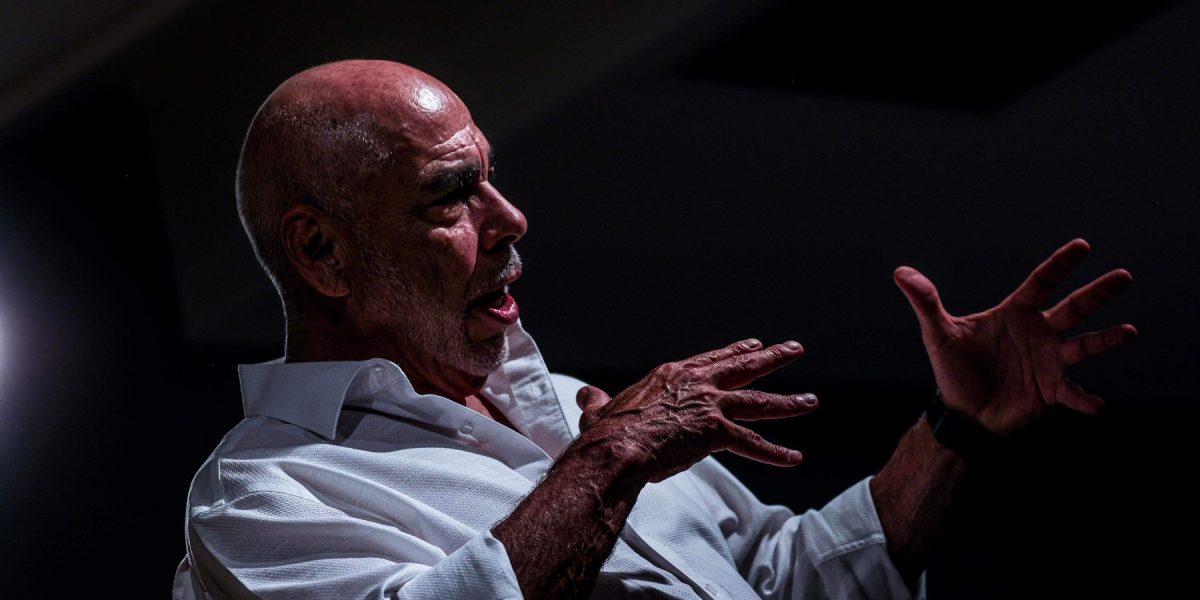
Jimmy Santiago Baca taught himself to read and write while incarcerated. He now has a PhD in Literature, has published volumes of poetry, and is the recipient of an NEA Literary Fellowship, a Vogelstein Foundation Award, the Pushcart Prize, the American Book Award for Poetry, and the Hispanic Heritage Award.
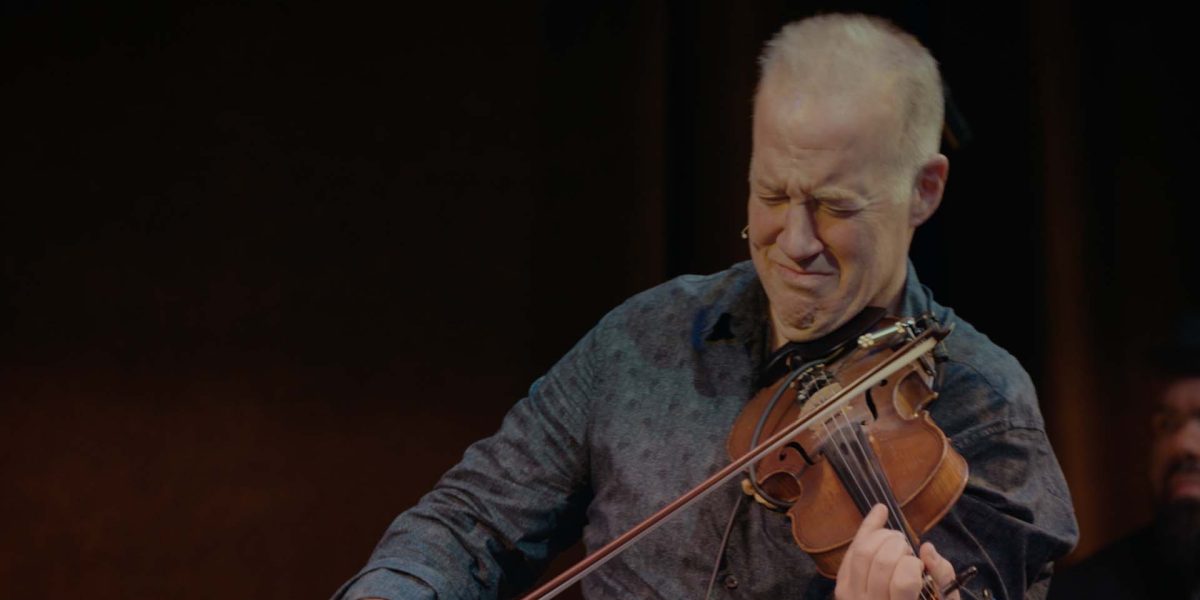
Violinist Christian Howes was voted #1 in the Downbeat Critics Poll, named among the top jazz violinists by JazzTimes, and nominated for Violinist of the Year by the Jazz Journalists Association. Howes has served as a cultural ambassador, performing in Ukraine and Montenegro at the invitation of the U.S. State Department.
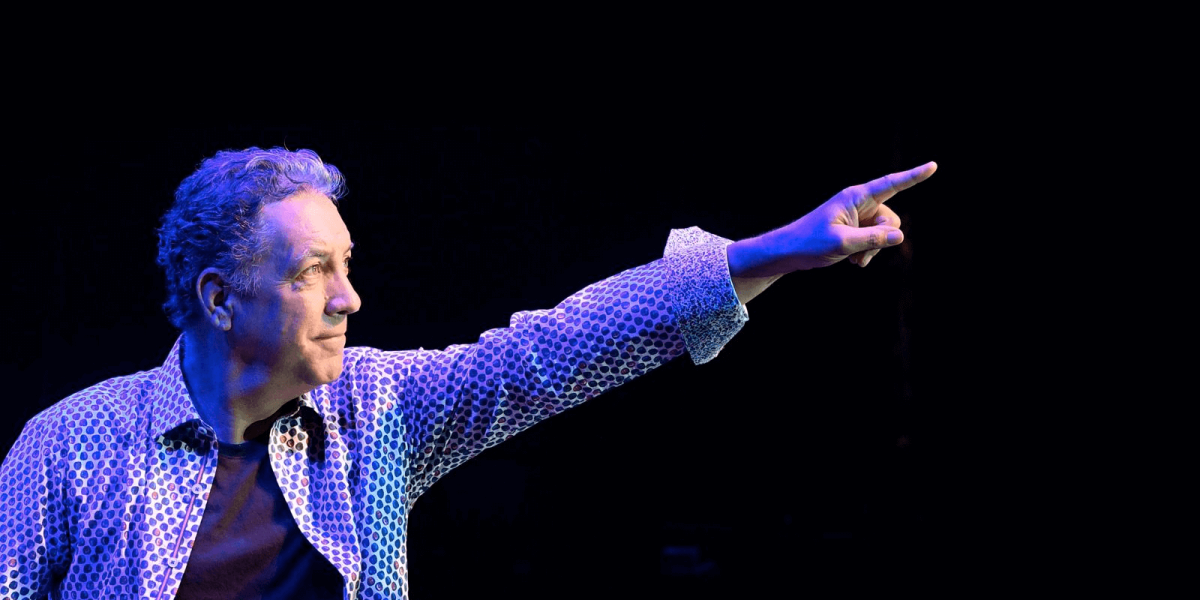
Director David Gonzalez received his doctorate from NYU where he taught for ten years. His work has been featured at Lincoln Center, on PBS, and on NPR. He has received the International Performing Arts for Youth’s Lifetime Achievement Award, the Joseph Campbell Foundation Fellowship, and a Drama Desk Award nomination.

















Watch our Film Trailer
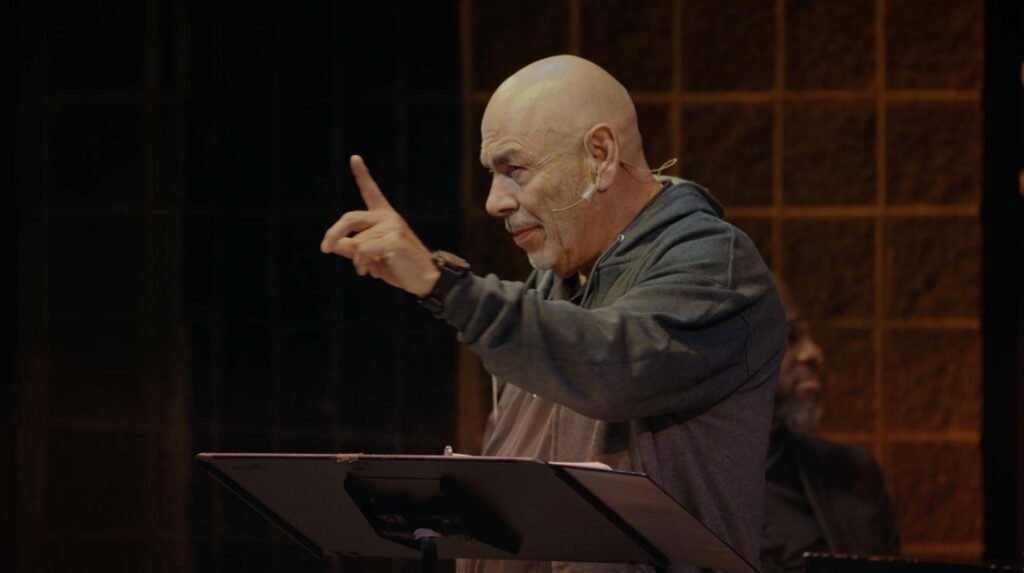
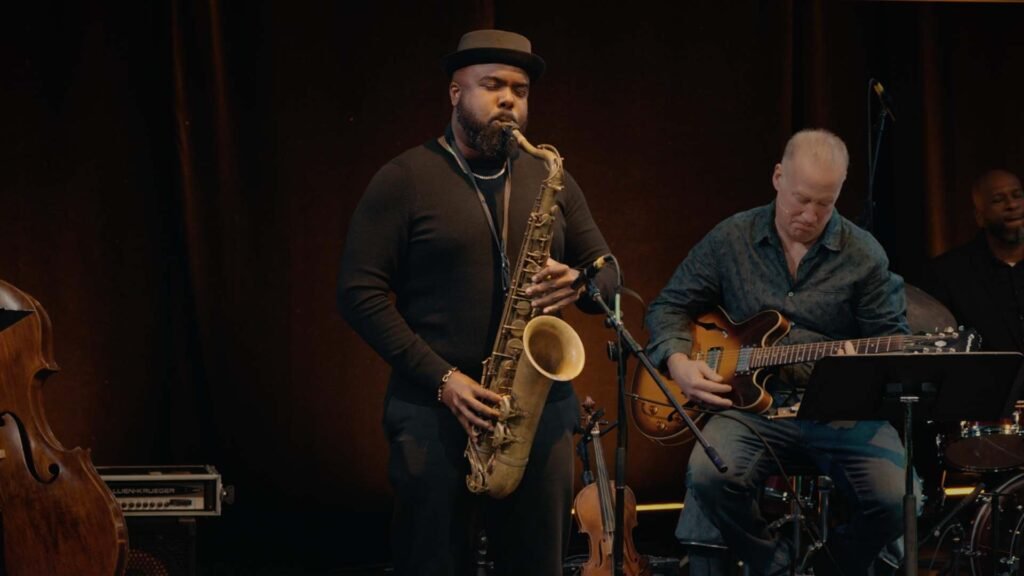
Redemption Time is a 70-minute performance film weaving spoken-word poetry, live jazz, cinematic imagery, and raw personal storytelling into a single, cohesive experience that moves through darkness toward something earned and real. It tells its story through the lens of two formerly incarcerated artists who reclaimed their lives through art. But the reason it lands with audiences who have never seen inside prison is that it speaks to something everyone recognizes: the need to be seen as more than the worst chapter of your life. The desire to belong. The ache of isolation even when you’re surrounded by people. The long, unglamorous work of figuring out who you actually are after the version of yourself you were performing falls apart.
This is not a traditional documentary. There are no talking heads, no narrator explaining what you should feel. Redemption Time is a live performance captured on film, built around the convergence of two men whose lives ran parallel tracks through trauma, loss, and artistic transformation before they ever met. What you witness is Jimmy and Chris on stage together, telling the truth about where they’ve been, what it cost them, and what they found when they stopped running from it.
Three currents run through the entire film, and they’re worth understanding before you press play.
Mental health professionals, therapists, counselors, and recovery communities find the film’s treatment of trauma, PTSD, and healing directly relevant to their work. The film names things that many people in recovery are trying to name for themselves. It models what honest self-examination looks like when there’s no script and no safety net.
People working in or affected by the criminal justice system, including reentry organizations, courts, correctional staff, and justice-impacted individuals and their families, see their own experiences reflected with a specificity and honesty they rarely encounter elsewhere. The film has been screened inside detention facilities where incarcerated men and women reflected on their own stories in discussions that lasted hours. Guards have broken down alongside the people in their custody. The film creates a shared space where the usual walls between roles dissolve, even briefly.
Humanitarian and faith communities, including interfaith groups, social service organizations, and anyone whose work is grounded in human dignity and second chances, connect with the film’s insistence that brokenness is not the end of the story. The film’s closing movement has the quality of an offering, something sacred and unadorned, extended to anyone willing to receive it.
Educators, teaching artists, and arts organizations find in the film a powerful case for the role of creative expression in learning, healing, and human development. The film demonstrates what art does when everything else has been taken away, and that demonstration speaks volumes to anyone advocating for arts in education.
People who have spent a career in education, in public health, in ministry, in social work, people who have spent their lives working with others while carrying their own private weight, have told us that the film’s message of redemption resonates because they have seen it change lives and have experienced it personally. The film speaks to the person who does not present as someone who is struggling but who has been alone in a crowd for a long time. It speaks to anyone who has ever felt like they had to earn love and respect before they could receive it. It says: you don’t. You never did.
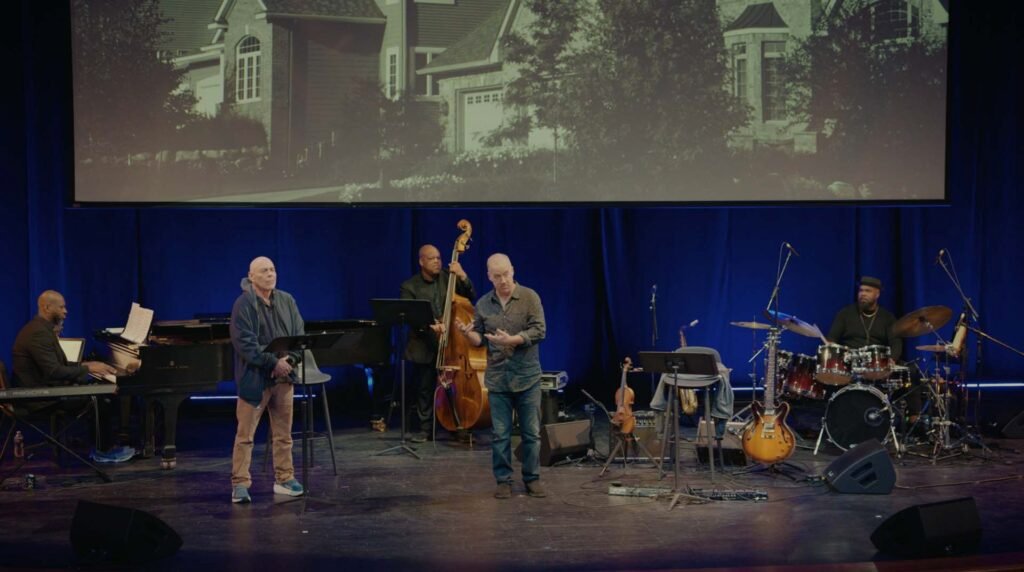


On April 19, 2026, at 4:00 PM, Trinity United Methodist Church will host a special screening event of Redemption Time, a 70-minute performance film featuring poet Jimmy Santiago Baca and Asheville-based jazz violinist Christian Howes — artists whose lives were shaped by incarceration and who now give voice to stories of dignity, struggle, and renewal.
Directed by David Gonzalez, the film blends spoken word poetry, live jazz, and cinematic storytelling into a powerful experience tracing journeys from trauma and incarceration toward healing, belonging, and personal freedom.
The event invites the community to reflect on themes that resonate far beyond the screen — belonging and isolation, judgment and dignity, harm and healing, and the possibility of second chances. Admission is free, with optional donations.
The program will begin with live music and poetry readings, followed by the film screening, a panel discussion, and a closing reception at Deep Time AVL. The reception offers attendees an opportunity to connect and reflect on the film’s themes with neighbors, artists, and community partners.
This event is part of Second Chance Month, a national campaign raising awareness about the impacts of incarceration while encouraging second-chance opportunities and community reintegration.
Community partners include Deep Time AVL, 12 Baskets Café, Asheville Poverty Initiative, the Buncombe County Re-entry Council, the UNCA Prison Education Program, and Trinity United Methodist Church.
Sunday, April 19, 2026
4:00–4:20 PM — Live Music & Poetry
4:20–5:30 PM — Redemption Time Screening
5:30–5:50 PM — Panel Discussion
5:50–6:15 PM — Reception
Location:
Trinity United Methodist Church
587 Haywood Road
Asheville, NC 28806
Film info and trailer:
https://redemptiontimeshow.com/
Redemption Time centers on two artists who emerged from incarceration to become powerful voices for change. The film confronts injustice while lifting up human dignity, creative resilience, and personal healing. Through an intimate blend of artistic forms and storytelling, the work explores universal tensions — belonging and isolation, judgment and dignity, harm and healing — while inviting viewers to look beyond labels and consider what it means to be human, to belong, and to begin again.
“Redemption Time transcends dualities… It’s a profound invitation into the deepest truths of our shared humanity.”
— Dr. Peter Candler, Author
Christian Howes
Producer, Redemption Time
chris@christianhowes.com
(614) 332-8689
Jess Godden
Community Outreach Coordinator
Trinity United Methodist Church
trinitywavl@gmail.com
828-253-5471 ext. 101
Previews of the full film available upon request.